Six Best Practices From High-Performing Incentive Programs
By Rock Rabbit
Data from 155+ programs in 36 states shows which design choices reliably improve participation, reduce overhead, and keep trade allies engaged.
Rock Rabbit's 2026 Incentive Benchmark Report analyzed 155+ programs across 36 states to understand what drives the highest-performing programs. Six structural design choices emerged consistently. Here is a summary of what we found. For more, download the report.
Incentive Program Best Practices
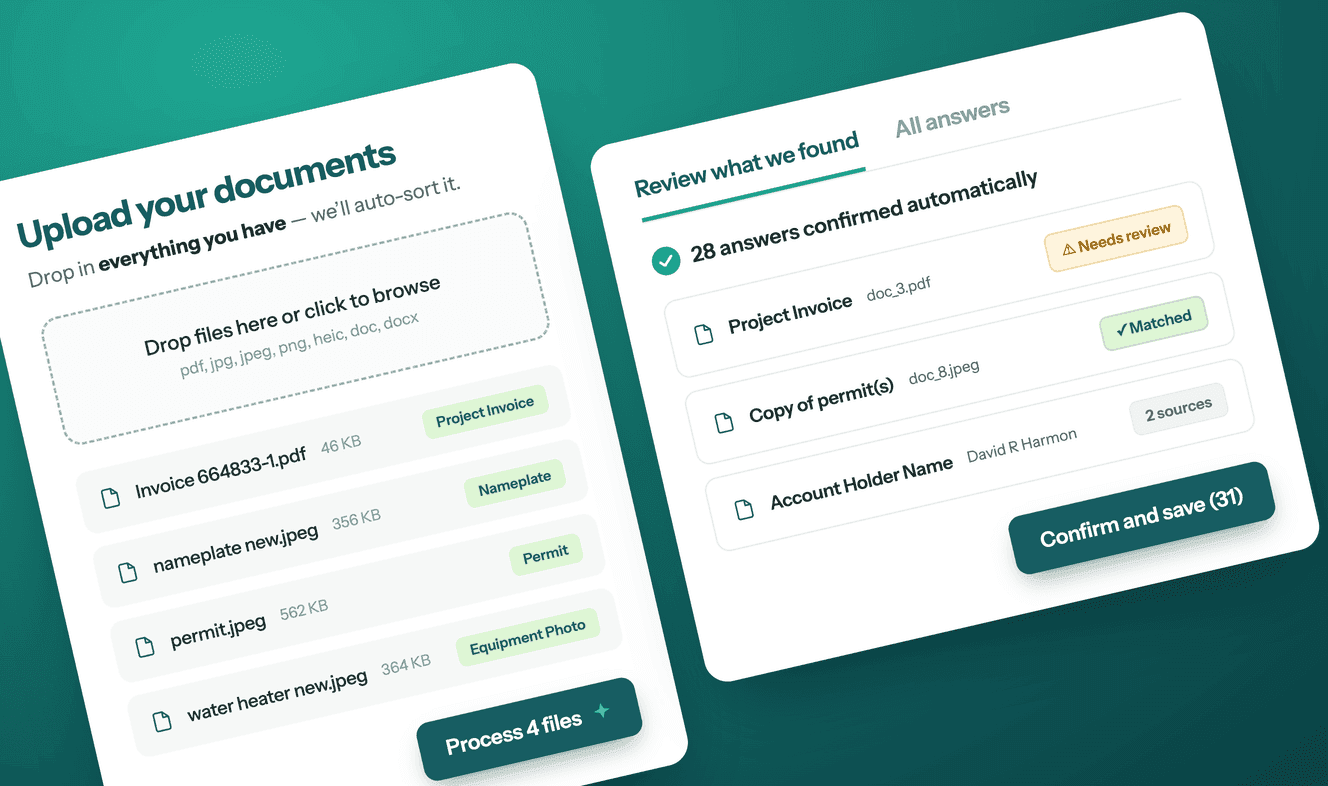
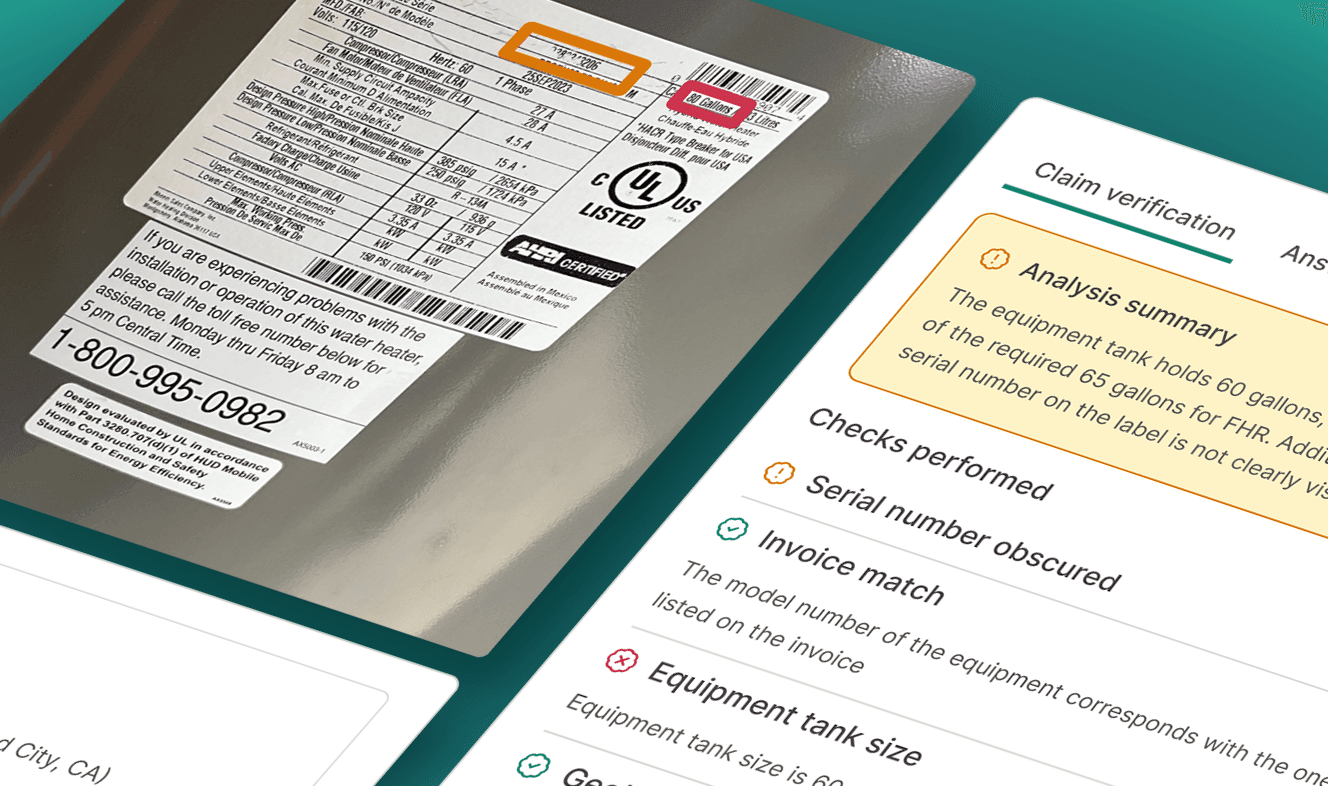
Automate the most error-prone steps in claim review
The most common source of claim rejection is documentation errors that could have been caught before submission. These include conflicting model and AHRI numbers, missing controls information, photos that do not meet spec, and more. AI-powered validation catches these at the intake level, before an application is submitted and staff review begins. We covered the mechanics in a recent post.
Deploy trade ally tools contractors want to use
Participation data is downstream of usability. When submission interfaces are confusing or unreliable, contractors often disengage. Submission complexity is one of the most consistent predictors of where participation stalls, and it varies dramatically across programs with similar eligibility requirements on paper. The best-performing programs treat trade ally tooling as a design decision from the beginning.
Make status visible at every stage
When customers cannot see where a submission stands, they call their contractor, who then has to track down the status. Real-time status visibility reduces inbound inquiry volume to both contractors and programs – and builds the trust that keeps trade allies engaged across multiple projects. Programs that build transparency into their workflows operationally, rather than handling it reactively, come out ahead on both efficiency and retention.
Consider a reservation phase
Only 9% of programs use an optional or mandatory reservation phase.
A reservation lets a contractor lock in a rebate before installation begins, confirming funds and eligibility before a job starts. That allows homeowners to make an informed decision about whether to move forward with an upgrade. Without a locked-in reservation, quoted incentives are exposed to mid-project changes. If funding or eligibility shifts, the contractor absorbs the difference, or delivers bad news to the end customer – and most households can’t absorb a multi-thousand dollar gap. Either outcome makes them less likely to trust the program on the next job.
Programs with a reservation step consistently see stronger trade ally engagement.
Match application structure to where the knowledge lives
In downstream programs, giving contractors the option to submit on a customer's behalf can meaningfully reduce friction at the finish line. Contractors who handle these submissions regularly are well-positioned to navigate documentation requirements efficiently. Removing that step from the customer's plate tends to improve follow-through at the point where participation most often stalls.
Among programs serving 500,000 or more meters, a majority now structure applications this way. Among programs serving fewer than 20,000 meters, only 13% do — suggesting there's room for more programs to explore this as a participation lever.
Remove the cash flow barrier for smaller trade allies
Small and mid-size contractor shops cannot easily absorb a long waiting period for rebate payment. Many programs are working to address this barrier directly by accelerating application review and payout, including through AI-powered claim validation. Where that’s not possible due to program constraints, rebate assignment can help.
Rebate assignment allows the rebate to flow to a third-party financing partner who advances funds, removing the cash float from the contractor's balance sheet without changing the program's payment process. For programs targeting broader trade ally participation, particularly in markets where smaller contractors are the primary workforce, this is an increasingly powerful design lever.
The 2026 Incentive Benchmark Report has the full data. Complete the form below to download the report: